Call us now :08045479485
 Send Inquiry
 Send Inquiry
Carbon Molecular Sieves
Price 850 INR/ Kilograms
MOQ : 50 Kilograms
Carbon Molecular Sieves Specification
- Product Type
- Carbon Molecular Sieves
- Form
- Spherical / Beads / Ball
- Color
- Black
- Grade Standard
- Industrial Grade
- Usage
- Industrial
- Pack Size
- 25/50 Kg HDPE Bag
Carbon Molecular Sieves Trade Information
- Minimum Order Quantity
- 50 Kilograms
- Payment Terms
- Cash in Advance (CID)
- Supply Ability
- 1000 Kilograms Per Month
- Delivery Time
- 7 Days
- Main Domestic Market
- All India
About Carbon Molecular Sieves
Carbon Molecular Sieves (CMS) are a type of material used in gas separation processes. They are made from a form of activated carbon with a high surface area and a uniform pore size distribution. CMS is commonly used in Pressure Swing Adsorption (PSA) systems to separate gases such as nitrogen, oxygen, and hydrogen. Carbon Molecular Sieves works by selectively adsorbing gas molecules based on their size and polarity. The pores in the CMS are sized to allow small gas molecules, such as nitrogen or hydrogen, to pass through while retaining larger molecules, such as oxygen or carbon dioxide.
High-Performance Gas Separation
Carbon Molecular Sieves are engineered to selectively adsorb oxygen from compressed air, allowing efficient and high-purity nitrogen generation. Their industrial-grade formulation in spherical and bead forms provides optimal performance for critical gas separation applications. This makes them integral for businesses seeking reliable and efficient nitrogen production solutions within their manufacturing processes.
Versatility and Secure Packaging
Available in 25 kg and 50 kg HDPE bags, our Carbon Molecular Sieves are handled with care to prevent contamination and ensure convenience in transportation. Their uniform black beads and balls are versatile, fitting into various gas separation systems across industries, from pharmaceuticals to specialty chemicals. Each bag is sealed to retain adsorptive quality and extend shelf life.
FAQ's of Carbon Molecular Sieves:
Q: How are carbon molecular sieves typically used in industrial processes?
A: Carbon molecular sieves are commonly employed for separating nitrogen from air in industrial gas generation systems. Their unique pore structure enables them to adsorb oxygen molecules selectively under pressure swing adsorption (PSA) processes, which results in the production of high-purity nitrogen.Q: What benefits do spherical/bead forms of carbon molecular sieves offer?
A: The spherical or bead-shaped carbon molecular sieves provide a larger surface area and uniform packing in industrial columns, which leads to improved efficiency, better flow distribution, and reduced pressure drop during gas separation applications.Q: When should carbon molecular sieves be replaced in an industrial setup?
A: Replacement depends on operational hours and the specific process, but generally, carbon molecular sieves should be monitored for capacity reduction. When nitrogen purity decreases or cycle times are extended, it typically indicates the need for replacement to maintain the process efficiency.Q: Where can your carbon molecular sieves be supplied from?
A: We operate from India and serve as a distributor, exporter, importer, manufacturer, supplier, and trader. Our distribution network ensures reliable and timely delivery both within India and to international markets according to customer requirements.Q: What is the typical process for installing carbon molecular sieves in an industrial application?
A: Installation involves loading the sieves into PSA units or gas separation columns, ensuring even distribution for optimal performance, and then connecting the system for required gas flow and pressure parameters specified by the equipment guidelines.Q: What is the main advantage of using carbon molecular sieves for nitrogen generation compared to other methods?
A: Carbon molecular sieves offer high selectivity and efficiency for nitrogen generation, producing nitrogen with purities often exceeding 99.9%. This makes them more cost-effective and consistent than many alternative nitrogen separation technologies.
Tell us about your requirement

Price:
Quantity
Select Unit
- 50
- 100
- 200
- 250
- 500
- 1000+
Additional detail
Mobile number
Email

More Products in Molecular Sieve Category

13 LIX Lithium Molecular Sieve
Price 3000 INR / Kilograms
Minimum Order Quantity : 50 Kilograms
Usage : Industrial
Grade Standard : Industrial Grade
Pack Size : 25/50 Kg Drum
Color : White
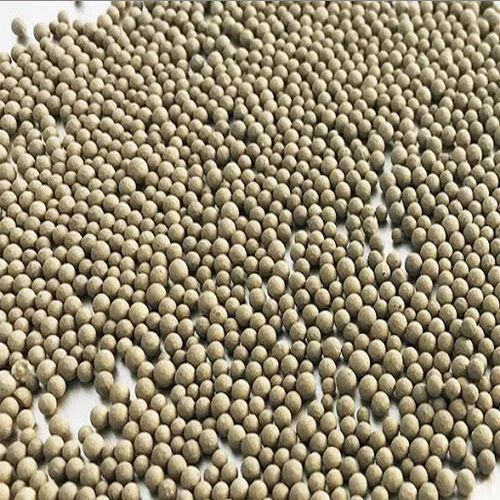
Zeolite Molecular Sieves
Price 265 INR / Kilograms
Minimum Order Quantity : 50 Kilograms
Usage : Industrial
Grade Standard : Industrial Grade
Pack Size : 25 Kg Drum
Color : White
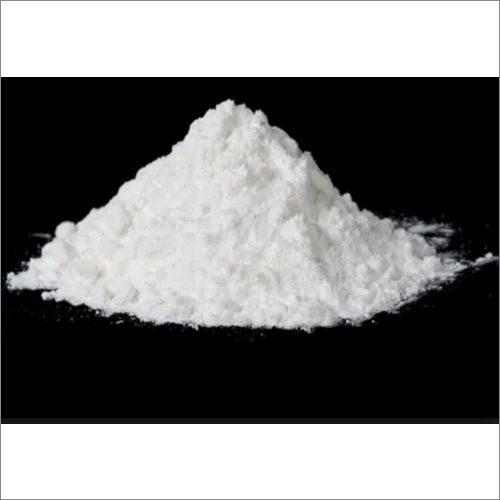
Molecular Sieve Powder
Price 250 INR / Kilograms
Minimum Order Quantity : 50 Kilograms
Usage : Industrial
Grade Standard : Industrial Grade
Pack Size : 25 Kg HDPE Bag
Color : White

13 HP NAX Sodium Molecular Sieve
Price 1000 INR / Kilograms
Minimum Order Quantity : 50 Kilograms
Usage : Industrial
Grade Standard : Industrial Grade
Pack Size : 25/50/125 Kg Drum
Color : White

 Send Inquiry
Our Products


5-4-76, 1st Floor, Opposite Sundaram Motors, M.G. Road, Ranigunj,Secunderabad - 500003, Telangana, India

Mr Kanti Jain
(Marketing Manager)
Mobile :08045479485
 Send Inquiry
 Send SMS
 Call Me Free
Developed and Managed by Infocom Network Private Limited.


